Product of You: Stand Out in Your UX/UI Job Search with These Strategies
Discover how to treat your UX/UI career like a product and overcome 'Stranger Syndrome' to land your next design job. Actionable tips inside.
Introduction: Why Treat Your UX Career Like a Product?
What is the "Product of You" philosophy?
The "Product of You" philosophy encourages UX/UI designers to approach their careers as if they were designing, marketing, and selling a product-themselves. Instead of passively waiting for opportunities, you actively shape your professional brand, skills, and reputation. This mindset helps you stand out in a crowded field and ensures your growth is intentional, not accidental.
How does product thinking apply to UX/UI career development?
Product thinking is about understanding user needs, defining value, and iterating based on feedback. When applied to your career, it means identifying what employers need, refining your skills and portfolio to meet those needs, and continuously improving based on market trends and feedback. You become both the designer and the product manager of your own career journey.
Who should use this approach-designers, developers, or both?
While this approach is especially powerful for UX/UI designers, it is valuable for developers and anyone in product roles. Anyone who wants to take control of their professional path can benefit from thinking of themselves as a product-identifying their unique value, targeting the right audience, and iterating for growth.
The Foundations of the Product of You Framework
What are the three pillars: Design, Market, and Sell?
The Product of You framework stands on three pillars:
- Design: Crafting your professional brand, portfolio, and skill set.
- Market: Building visibility and credibility within the design community and industry.
- Sell: Building authentic relationships and communicating your value to potential employers or clients.
How does the "jobs to be done" framework relate to your career?
The "jobs to be done" (JTBD) framework helps you understand why companies hire designers. They are not just filling a seat-they have specific problems to solve. By identifying these "jobs," you can tailor your skills and portfolio to show how you solve real business challenges, making you a more attractive candidate.
Why do companies hire designers-what problems are you solving?
Companies hire UX/UI designers to improve user experiences, increase engagement, and drive business results. They look for designers who can:

- Translate business goals into usable interfaces
- Build scalable design systems
- Prototype and test ideas quickly
- Collaborate with developers and stakeholders
Understanding these needs helps you position yourself as the solution to their problems.
Designing Your Professional Brand as a UX/UI Designer
How to identify your unique skills, strengths, and design process
Start by reflecting on your past projects and feedback. What do colleagues and clients praise about your work? Are you skilled at building design systems, prototyping, or collaborating with developers? Document your strengths and the unique process you follow, from research to delivery.
What should your Figma portfolio include to stand out?
Your Figma portfolio should go beyond attractive screens. It should showcase your thinking, process, and technical skills. Key elements include:
- Component variants and design tokens
- Real-world UI kits and system documentation
- Responsive design examples
- Interactive prototypes and workflow demos
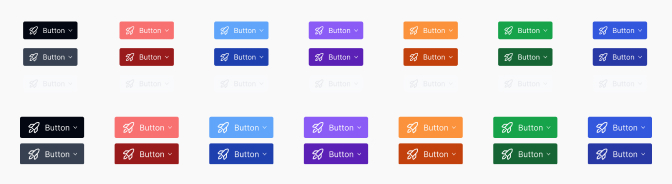
Showcasing component variants, design tokens, and real-world UI kits
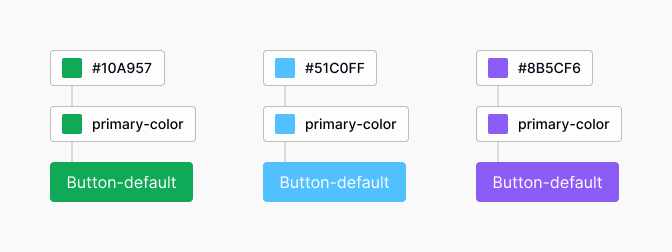
Include Figma files that demonstrate how you use component variants for flexibility and consistency. Show your use of design tokens for colors, typography, and spacing. Share UI kits that have been used in real products, not just concepts.
Demonstrating responsive design and prototyping workflows
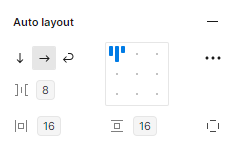
Show how your designs adapt to different screen sizes using Figma's auto layout and constraints. Include interactive prototypes that illustrate user flows, transitions, and micro-interactions.
How to clearly communicate your value in interviews and case studies
When presenting your work, focus on the problem, your approach, and the results. Use case studies to tell a story: What was the challenge? How did you solve it? What impact did your work have? Be ready to discuss your process and the decisions you made along the way.
Marketing Yourself: Building Visibility in the Design Community
How to optimize your resume and LinkedIn for UX/UI roles
Tailor your resume and LinkedIn profile to highlight your UX/UI expertise. Use clear, action-oriented language. Include links to your portfolio and specific projects. Quantify your impact where possible (e.g., "Improved onboarding flow, reducing drop-off by 20%").
What makes a compelling Figma design system portfolio?
A strong design system portfolio demonstrates your ability to create scalable, maintainable UI components. Include:
- Clear documentation of components and usage guidelines
- Examples of real-world implementation
- Evidence of collaboration with developers (handoff specs, code snippets)
How can speaking at conferences and writing articles boost your profile?
Sharing your knowledge through talks and articles positions you as a thought leader. It builds credibility and helps you connect with peers and potential employers. Start by writing about your design process, lessons learned, or case studies. Consider submitting talks to local meetups or online conferences.
Should you contribute to open-source UI kits or Tailwind component libraries?
Yes. Contributing to open-source projects like UI kits or Tailwind CSS component libraries demonstrates your skills and commitment to the community. It also gives you real-world experience collaborating with other designers and developers, which is highly valued by employers.
Selling Your Skills: Building Authentic Relationships in UX
How to network without being transactional
Networking is about building genuine relationships, not just collecting contacts. Focus on helping others, sharing resources, and engaging in meaningful conversations. Offer feedback on portfolios, join design communities, and participate in discussions without expecting immediate returns.
What are the best ways to connect with other designers and product teams?
- Join online communities (Slack, Discord, forums)
- Attend local or virtual meetups and workshops
- Collaborate on side projects or hackathons
- Engage with designers on social media by sharing insights and feedback
How to understand and address the needs of hiring managers and teams
Research the companies and teams you want to join. Read job descriptions carefully and look for patterns in required skills and values. During interviews, ask questions about their biggest design challenges. Show how your skills and experience directly address their needs.
Step-by-Step: Applying the Product of You Framework to Your Career
How to audit and update your professional materials regularly
- Review your portfolio, resume, and LinkedIn every few months.
- Update with new projects, skills, and achievements.
- Remove outdated or less relevant work.
- Ask for feedback from peers or mentors.
What activities increase your visibility as a designer?
- Publishing articles or tutorials
- Speaking at events or webinars
- Contributing to open-source projects
- Sharing work-in-progress on social media
How to approach networking and relationship-building strategically
Set clear goals for your networking efforts. Identify the communities, events, and people most relevant to your interests. Focus on quality over quantity-build a few strong relationships rather than many shallow ones. Follow up regularly and look for ways to add value to your network.
Real-World Examples: Success Stories from UX/UI Designers
How top designers use Figma and design systems to showcase their skills
Leading designers often share Figma files that include robust design systems, complete with documentation and real-world use cases. They demonstrate not just visual design, but also how their components scale and adapt. For example, a designer might show a UI kit used across multiple products, highlighting how it improved consistency and developer handoff.
Case study: Leveraging EmviUI to accelerate your portfolio and workflow
Many designers use EmviUI to quickly build and document UI kits. By leveraging EmviUI's ready-made components and design tokens, you can focus on customizing and showcasing your unique style. This accelerates your workflow and allows you to present a polished, professional portfolio to employers.
Common Mistakes UX/UI Designers Make in the Job Search
Why treating your job search as a transaction can backfire
If you approach your job search as a one-time transaction, you miss out on building lasting relationships. Employers value designers who are invested in their teams and culture, not just those looking for a quick win. Focus on long-term fit and shared goals.
What happens if you neglect marketing and personal branding?
Without visibility, even the best designers can be overlooked. If you don't market yourself, it's hard for employers to find and understand your value. Personal branding helps you control your narrative and attract the right opportunities.
How to avoid focusing only on technical skills
Technical skills are important, but soft skills like communication, collaboration, and empathy are equally valued. Employers look for designers who can work well with others, explain their decisions, and adapt to feedback. Balance your portfolio with examples of teamwork and problem-solving.
Best Practices for Advancing Your UX/UI Career
How to maintain and grow your design system expertise
- Stay updated with the latest Figma and design system features
- Experiment with new tools and workflows
- Document and share your learnings with others
- Contribute to or maintain open-source design systems
Why ongoing learning and community involvement matter
The design field evolves quickly. Ongoing learning ensures your skills stay relevant. Community involvement helps you stay connected, gain new perspectives, and discover opportunities you might not find otherwise.
How to balance technical, communication, and relationship skills
Successful designers combine technical expertise with strong communication and relationship-building skills. Practice explaining your work clearly, giving and receiving feedback, and collaborating across disciplines. This balance makes you a valuable team member and leader.
How EmviUI Supports Your Career Growth as a Designer
What is EmviUI and how does it fit into your workflow?
EmviUI is a comprehensive UI kit and design system built for Figma and modern front-end frameworks. It provides ready-to-use components, design tokens, and documentation tools that help you create consistent, scalable interfaces faster.
How does EmviUI help you build better portfolios and UI kits?
With EmviUI, you can quickly assemble professional-grade portfolios and UI kits. Its components are designed for real-world use, so you can showcase your ability to build robust design systems. The documentation tools make it easy to explain your design decisions and processes to employers.
Why use EmviUI for rapid prototyping and design system implementation?
EmviUI accelerates prototyping by providing a library of flexible, accessible components. You spend less time reinventing the wheel and more time customizing and iterating. This speed and consistency are valuable in both portfolio projects and real product teams.
Conclusion: Taking Control of Your UX/UI Career Trajectory
What are the next steps to apply the Product of You philosophy?
Start by auditing your current skills, portfolio, and network. Identify gaps and set clear goals for growth. Use the Design, Market, and Sell framework to guide your actions. Regularly update your materials and seek feedback from peers.
How can you stand out in the competitive design job market?
Focus on building a unique professional brand, sharing your knowledge, and connecting authentically with others. Use tools like EmviUI to accelerate your workflow and showcase your expertise. Remember, your career is a product-design, market, and sell it with intention.
Related reading

Pablo Mayoral
Senior UX/UI & Web Designer with 10+ years of experience. Creator of EmviUI (10k+ components Figma design system), UImand, and Vitamin Bootstrap. Currently designing digital products at CQMRewards.